

In a world where cars are becoming smarter than the average human, staying updated on car tech news is more crucial than ever. From self-parking vehicles to AI-powered dashboards, the automotive industry is racing ahead with innovations that could make even the Jetsons jealous. Whether you’re a gearhead or just someone who enjoys a smooth ride, these advancements are reshaping how we think about transportation.
Latest Innovations in Car Tech
Car technology continues evolving at a rapid pace. Innovations in the automotive industry optimize performance, increase safety, and enhance user experience.
Electric Vehicles and Their Advancements
Electric vehicles (EVs) now feature improved battery technology. Major automakers like Tesla, Ford, and GM develop batteries that provide longer ranges, often exceeding 300 miles on a single charge. Companies invest in fast-charging infrastructure, making charging more accessible. The integration of regenerative braking systems enhances efficiency, recapturing energy during braking. Additionally, advancements in vehicle-to-grid technology allow EVs to return energy to the grid, supporting sustainable practices.
Autonomous Driving Technology
Autonomous driving technology makes significant strides. Various manufacturers deploy advanced driver assistance systems (ADAS) that include adaptive cruise control and lane-keeping assistance. These systems aim to enhance driver safety by reducing human error. Levels of automation continue evolving with features like highway autopilot and urban self-driving capabilities. Regulatory bodies assess safety standards for these technologies. Some automakers, such as Waymo and Cruise, conduct extensive testing to ensure reliability in real-world scenarios.
Noteworthy Car Tech Companies
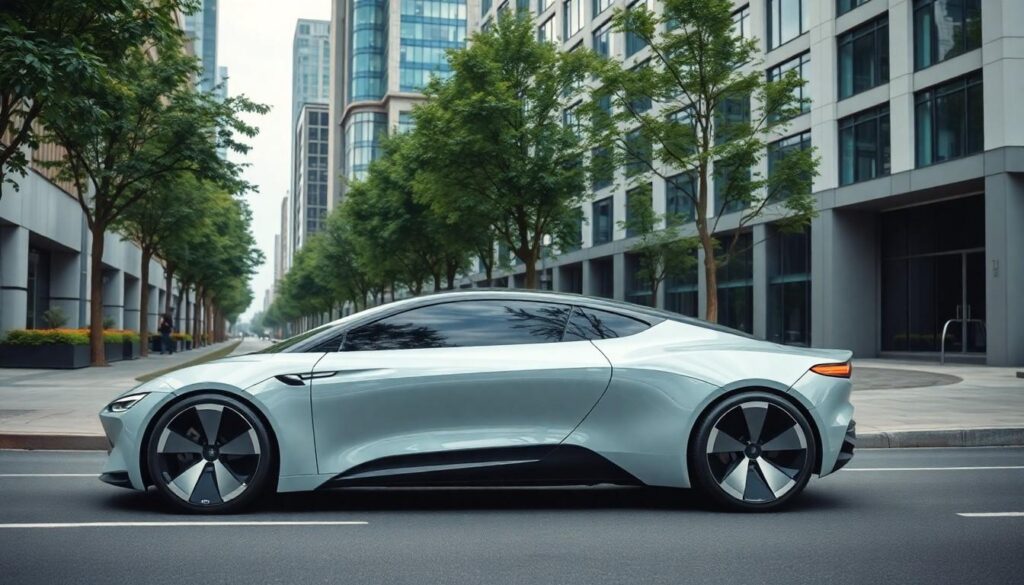
Car tech advancements stem from a mix of established leaders and innovative startups. Companies drive significant progress by introducing groundbreaking technologies that reshape transportation.
Industry Leaders and Their Innovations
Tesla leads the electric vehicle market, pushing boundaries with battery efficiency and autonomous capabilities. General Motors invests heavily in electric and autonomous vehicle technology, aiming to transition toward fully electric offerings by 2035. Ford’s recent rollout of the Mustang Mach-E showcases their shift toward electrification and innovative connectivity features. Meanwhile, Volkswagen focuses on its ID. series, emphasizing sustainable models and cutting-edge infotainment systems. Toyota advances hybrid technology with its Prius line, balancing fuel efficiency and innovation.
Upcoming Startups to Watch
Rivian garners attention for its electric trucks and SUVs, boasting impressive off-road capabilities. Lucid Motors enters the luxury electric market with its Air sedan, which emphasizes range and performance. Faraday Future aims to disrupt traditional expectations with its technologically advanced electric vehicles. Canoo attracts interest with its unique approach to vehicle design and subscription services. Arrival targets urban mobility with electric vans and buses, focusing on sustainable production methods. Each of these startups showcases a commitment to innovation and may significantly influence the automotive landscape in the coming years.
Trends Shaping the Future of Car Tech
Advancements in car technology create a dynamic landscape defined by connectivity and sustainability. These trends significantly influence how vehicles operate, interact, and impact the environment.
Connectivity and Smart Features
Connectivity enhances vehicle functionality. Features like vehicle-to-everything (V2X) communication improve safety by allowing cars to exchange information with infrastructure and other vehicles. Smart dashboards, equipped with AI, offer personalized user experiences, adapting to driver preferences. Over-the-air updates enable continuous improvements, ensuring vehicles remain current with the latest software advancements. Technologies such as smartphone integration make navigation and entertainment easily accessible. This interconnectivity fosters a seamless driving experience, which appeals to tech-savvy consumers.
Sustainability in Automotive Technology
Sustainability emerges as a critical priority in automotive technology. Electric vehicles reduce dependence on fossil fuels, aligning with global efforts to combat climate change. Innovations in battery technology significantly extend driving range while increasing efficiency. Manufacturers prioritize recyclable materials in production, emphasizing eco-friendly practices. Additionally, hydrogen fuel cell technology presents an alternative to traditional power sources, further diversifying sustainable options. Collaborative efforts among industry leaders drive advancements in clean transportation, ensuring a greener future for the automotive sector.
Consumer Impact of Car Tech Developments
Car technology significantly influences consumer experience, particularly in safety and convenience features. As manufacturers implement advanced driver assistance systems (ADAS), accident rates decrease, enhancing overall road safety. Features like automatic emergency braking and lane-keeping assist provide drivers with crucial support in various conditions. Furthermore, innovations in vehicle-to-everything communication create a more connected and seamless driving environment. The integration of AI-powered dashboards offers personalized navigation and entertainment options, making journeys more enjoyable.
Enhancing Safety and Convenience
Safety advancements directly affect consumer confidence in vehicle purchases. Numerous studies indicate that vehicles with ADAS features have higher safety ratings, which influence buying decisions. Enhancements in self-parking technology reduce stress for drivers, especially in tight urban environments. User-friendly interfaces and smart dashboards simplify navigation and information access, ensuring drivers stay focused on the road. Through these developments, convenience becomes intertwined with safety, fostering a more enjoyable driving experience.
The Role of Consumer Feedback
Listening to consumer feedback plays a crucial role in the development of car tech. Manufacturers actively collect data through surveys and user reviews to understand preferences and pain points. Adapting features based on this feedback helps create more user-friendly technologies. For instance, enhancements in charging infrastructure stemmed from consumer demand for faster charging solutions. Ultimately, consumer input shapes future innovations, driving the industry toward more responsive and tailored products.
The automotive industry is on the brink of a technological revolution. With innovations in electric vehicles and autonomous driving, the landscape is evolving rapidly. Manufacturers are prioritizing safety and sustainability while responding to consumer demands for smarter and more efficient vehicles.
As car tech continues to advance, staying informed will be crucial for both enthusiasts and everyday drivers. The future promises exciting developments that may redefine how people interact with their vehicles. Embracing these changes could lead to a more connected and eco-friendly transportation experience. The journey ahead is filled with potential and it’s one that drivers won’t want to miss.


