

Electric bikes are cruising into the spotlight, but the big question remains: are they considered motorized vehicles? Picture this: you’re gliding effortlessly down the street, wind in your hair, feeling like a superhero on wheels. But wait—does that make you a motorist or a cyclist?
Overview of Electric Bikes
Electric bikes, often referred to as e-bikes, combine traditional cycling with electric propulsion. They typically feature a battery-powered motor that assists the rider. Riders can enjoy higher speeds and less effort when pedaling, making this mode of transportation increasingly appealing.
Various types of electric bikes accommodate different preferences. Commuter e-bikes excel in urban settings, while mountain e-bikes are designed for off-road adventures. Each type has unique specifications and capabilities tailored to specific environments and user needs.
Legal definitions vary across regions, contributing to the ongoing debate about whether electric bikes qualify as motorized vehicles. In many areas, e-bikes classified under a specific wattage, often 750 watts or less, fall into the category of bicycles instead of motor vehicles. Understanding local regulations can significantly impact where and how e-bikes may be used.
Electric bike classifications typically fall into three categories. Class 1 offers pedal assist without a throttle, Class 2 includes a throttle along with pedal assist, and Class 3 provides pedal assist but limits maximum speed to 28 mph. Each class allows for different levels of motor assistance, influencing rider experiences and legal treatment.
Terminology and definitions directly affect rider identity. Those who choose e-bikes may see themselves as cyclists rather than motorists. The blend of human power and motor assistance fosters a unique cycling experience, allowing individuals to navigate various terrains and conditions comfortably.
Definition of Motorized Vehicles
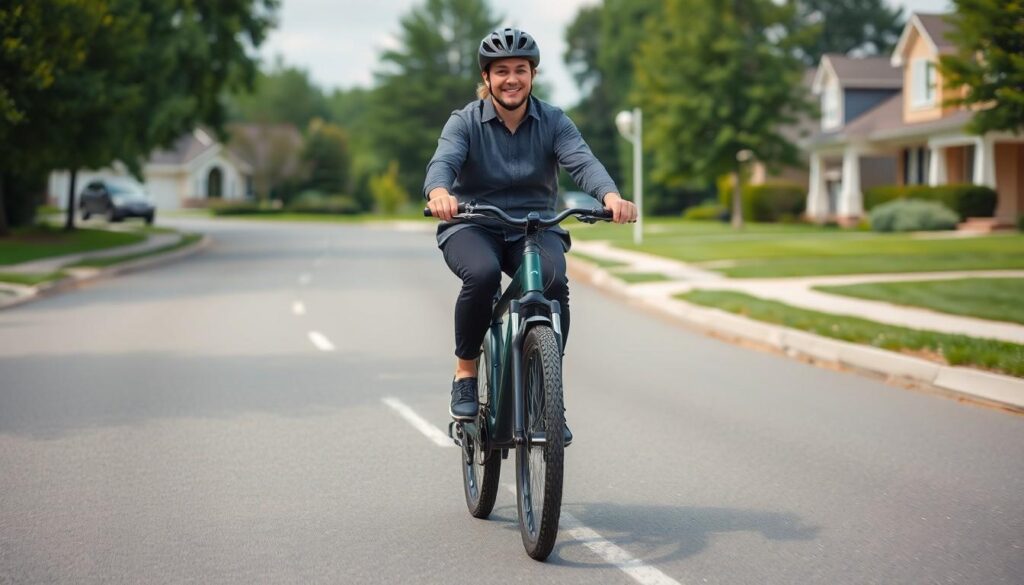
Motorized vehicles typically contain engines that propel them without direct human force. Understanding the specifics helps clarify whether electric bikes fit this definition.
Characteristics of Motorized Vehicles
Motorized vehicles primarily use an engine for propulsion. Examples include cars, motorcycles, and scooters. They usually offer higher speeds and require fuel or a charging source. Safety features often include seat belts and lights, enhancing the overall riding experience. Riders typically operate these vehicles on various roadways. E-bikes, by contrast, combine human pedaling with an electric motor.
Legal Distinctions
Legal definitions for motorized vehicles vary across regions. Some jurisdictions classify electric bikes as bicycles if they meet specific criteria. Wattage limits frequently determine this classification, affecting regulations and usage. Class 1 e-bikes generally fall under bicycle laws, while Class 2 and Class 3 models may align more closely with motor vehicle regulations. Riders should always verify local laws to understand their rights and responsibilities when using e-bikes on public roads.
Classification of Electric Bikes
Electric bikes, or e-bikes, exist in various forms and classifications, influencing how they fit within transportation regulations. Understanding the differences among them clarifies their legal standing as either bicycles or motorized vehicles.
Different Types of Electric Bikes
E-bikes categorize into three main classes based on their features and functions. Class 1 bikes provide pedal assistance only when the rider pedals, promoting a cycling experience. Class 2 models include a throttle that can propel the bike without pedaling, allowing for easier navigation. Class 3 bikes offer pedal assistance up to a maximum speed of 28 mph, appealing to those seeking faster commutes. Each type serves specific user needs, ranging from leisurely rides to competitive cycling, helping shape individual identities as cyclists.
Speed and Power Limitations
Speed and power limitations play a crucial role in classifying e-bikes. In many regions, motorized vehicles must adhere to specific wattage limits, often set at 750 watts for e-bikes. Compliance with these standards helps define whether an e-bike falls under bicycle laws or motor vehicle regulations. Riders frequently encounter variations in local laws, so awareness of these limitations ensures they ride legally. Knowing these specifications aids in understanding how e-bike classifications affect use on public roads.
Regulations Surrounding Electric Bikes
Electric bike regulations vary significantly across different regions, influencing how riders experience e-bikes. Understanding these laws helps clarify their classification as either bicycles or motorized vehicles.
State and Local Laws
State and local laws dictate how electric bikes are categorized. Many jurisdictions define e-bikes based on their wattage limits, commonly up to 750 watts. Locations such as California adopt a three-class system, allowing for easier identification of e-bike types. These classes inform riders of where they can use their e-bikes legally. Additionally, some states may require registration and insurance, notably for higher-class e-bikes. Riders must check local regulations to avoid fines and ensure compliance with ride-specific conditions.
Safety and Licensing Requirements
Safety and licensing requirements also differ across regions. In some areas, no specific license is necessary to operate an e-bike, while others impose age restrictions or require safety gear. Riders may need to wear helmets, especially for Class 3 e-bikes that reach maximum speeds of 28 mph. Many localities promote safe riding through educational programs, emphasizing the importance of following traffic laws. Engagement with local community efforts can further enhance safety awareness and promote responsible riding habits.
Pros and Cons of Electric Bikes as Motorized Vehicles
Electric bikes spark ongoing debates about their classification as motorized vehicles. This classification brings both advantages and challenges for users.
Benefits of Recognition
Recognition of electric bikes as motorized vehicles can lead to improved infrastructure. Enhanced lanes designed for motorized traffic promote safer riding experiences. Legal recognition also allows for more comprehensive safety regulations, fostering a culture of responsibility among riders. Riders may benefit from access to dedicated bike paths and reduced restrictions on their use. Insurance options might become available, providing financial protection. Communities might witness a boost in e-bike adoption, leading to a reduction in carbon emissions. These benefits contribute positively to urban environments.
Challenges and Controversies
Challenges arise regarding the classification of electric bikes as motorized vehicles. Some regions impose stricter regulations, creating confusion among riders. Licensing and registration requirements may discourage new users from adopting e-bikes. Controversies often involve the argument that e-bikes undermine traditional cycling, leading to tensions between different groups of riders. Speed limits and wattage restrictions may create disparities in user experiences. Misunderstandings about legal definitions can result in fines or penalties for riders unaware of local laws. These challenges highlight the complexities surrounding e-bike regulation.
Electric bikes occupy a unique space in the transportation landscape. Their classification as motorized vehicles or bicycles varies by region and hinges on specific legal definitions. Understanding these distinctions is vital for riders to navigate local laws effectively.
As e-bikes continue to gain traction, the conversation around their status will likely evolve. Embracing the benefits of e-bikes while being aware of the regulatory landscape can enhance the riding experience. Ultimately, whether viewed as cyclists or motorists, e-bike riders contribute to a greener future and a more diverse cycling community.


